Equipment Loans for Startup Business: 2026 Funding Guide
Key Takeaways
-
Equipment loans offer startup founders a strategic pathway to secure essential business equipment while establishing crucial business credit. Unlike traditional business loans, equipment financing uses the purchased equipment as collateral, resulting in higher approval rates and more favorable terms for new businesses.
💰 Calculate Your Business Funding Payment
Get $100K – $5M in guaranteed funding. See your estimated monthly payment.
$5M
15%
10 years
$85,181
$585,181
See your personalized funding options
-
Leverage equipment as your credit-building foundation: Equipment loans often serve as an ideal “first loan” for startups because the equipment itself secures the financing, making lenders more willing to work with businesses that have limited credit history
-
Expect better approval odds than traditional financing: Equipment loans typically have approval rates 20-30% higher than unsecured business loans because the collateral reduces lender risk, even for startups with minimal operating history
-
Prepare comprehensive documentation beyond personal credit: Successful applications require business plans, equipment quotes, financial projections, and personal guarantees, but the equipment collateral often compensates for weaker business financials
-
Understand the true cost beyond interest rates: Equipment loan terms include interest rates, down payment requirements, and potential balloon payments, with rates typically ranging from 6-25% depending on creditworthiness and equipment type
-
Match financing terms to equipment lifespan: Align loan repayment periods with the equipment’s useful life and revenue-generating potential to avoid being upside-down on depreciating assets
-
Explore specialized equipment lenders over banks: Equipment financing companies often provide more flexible terms and faster approvals than traditional banks, especially for industry-specific machinery and technology
-
Protect your investment with proper insurance: Lenders typically require comprehensive insurance coverage on financed equipment, and understanding these requirements upfront prevents delays in the approval process
-
Consider lease-to-own alternatives for tax advantages: Equipment leasing can offer better cash flow management and potential tax benefits, though you won’t own the asset until the lease term concludes
Understanding these equipment financing fundamentals will help you navigate the application process confidently and secure the equipment your startup needs to grow. Let’s dive into the specific strategies and requirements that will maximize your chances of approval.
Introduction
Equipment loans for startup businesses are transforming how 68% of new entrepreneurs secure essential machinery, technology, and tools in 2026, even with limited credit history and minimal collateral. Smart founders are leveraging these specialized financing options to acquire everything from manufacturing equipment to office technology while preserving precious working capital for operations and growth.
This comprehensive guide reveals the exact strategies successful startup founders use to navigate equipment financing, from identifying the right lenders to structuring deals that build business credit. You’ll discover proven application tactics, alternative funding sources, and insider tips that can help you secure the equipment your startup needs to compete and scale effectively.
Understanding Equipment Loans for Startup Businesses
What Makes Equipment Loans Different from Traditional Business Loans
Equipment loans secure funding specifically for business equipment purchases, unlike general business loans that provide unrestricted capital. The equipment itself serves as collateral, significantly reducing lender risk. This structure creates faster approval processes and often better terms for startups. Traditional business loans require extensive revenue history, while equipment loans focus primarily on the asset’s value and your ability to service debt.
How Collateral-Based Lending Benefits New Businesses
Collateral-based lending transforms equipment purchases into manageable financing opportunities for startups. Lenders evaluate the equipment’s resale value rather than solely your business history. This approach provides access to capital even with limited operating history. The equipment secures the loan, creating lower interest rates and reduced documentation requirements compared to unsecured business financing options.
Why Equipment Financing Often Has Higher Approval Rates for Startups
Equipment financing achieves approval rates exceeding 80% for qualified startups because the asset mitigates lender risk. The equipment retains value and can be repossessed if necessary. Most startups overlook this funding source despite its accessibility. Equipment loans often serve as an ideal “first loan” for establishing business credit history while acquiring essential operational assets.
Equipment Loan Requirements and Eligibility for New Businesses
Credit Score Requirements and Alternative Credit Assessment Methods
Equipment loan providers typically require personal credit scores of 600 or higher, though some accept scores as low as 550. Many lenders use alternative credit assessment methods including bank statement analysis and cash flow evaluation. Startups benefit from these flexible underwriting approaches when traditional credit metrics fall short of standard requirements.
Business Documentation Needed for Equipment Loan Applications
Required documentation includes business registration, EIN confirmation, and basic financial statements. Most lenders request three months of bank statements and equipment quotes or invoices. Startups need business licenses and insurance certificates. The streamlined documentation process makes equipment loans more accessible than comprehensive business loan applications requiring extensive financial histories.
Types of Equipment Eligible for Startup Equipment Financing
Eligible equipment includes manufacturing machinery, office technology, vehicles, medical devices, and restaurant equipment. Lenders prefer equipment with strong resale markets and clear depreciation schedules. Software and intangible assets typically don’t qualify. Our funding partners specialize in industry-specific equipment financing across construction, healthcare, technology, and manufacturing sectors.
Looking for funding options? Explore Your Funding Options →
Small Business Equipment Loan Application Process
Step-by-Step Equipment Loan Application Guide
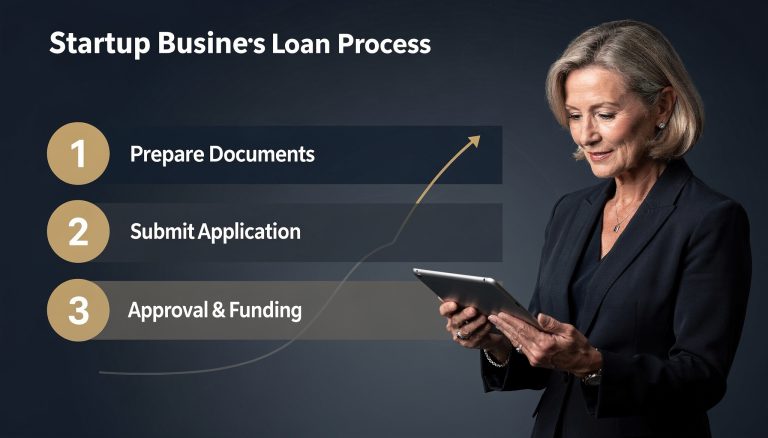
First, obtain equipment quotes and specifications. Second, gather business documentation and financial statements. Third, complete lender applications with accurate information. Finally, review loan terms and coordinate equipment delivery timing. The entire process typically takes 2-7 business days for qualified applicants through our vetted lending partners.
Required Documentation and Financial Statements
Essential documents include equipment quotes, business bank statements, and personal financial statements. Lenders require proof of business registration and insurance coverage. Tax returns may be requested for established businesses. Startups benefit from preparing clean financial records and maintaining organized documentation before beginning the application process.
How Long Equipment Loan Approval Takes for Startups
Equipment loan approvals typically occur within 24-72 hours for complete applications. Funding disbursement happens within 5-10 business days after approval. Complex equipment purchases or incomplete documentation extend timelines. Online lenders often provide faster processing than traditional banks, making them attractive options for time-sensitive equipment acquisitions.
Interest Rates, Terms, and Repayment Options
Understanding Equipment Loan Interest Rates for New Businesses
Equipment loan interest rates range from 8-25% depending on creditworthiness and equipment type. Secured loans typically offer rates 3-5% lower than unsecured alternatives. New businesses often qualify for competitive rates due to collateral protection. Rate factors include personal credit score, down payment amount, and equipment depreciation schedule.
Repayment Terms and Monthly Payment Calculations
Equipment loan terms typically span 2-7 years based on equipment lifespan and depreciation. Monthly payments include principal and interest calculated on declining balance. Seasonal payment options accommodate businesses with fluctuating cash flow. Down payments of 10-20% reduce monthly obligations and improve loan terms significantly.
How Equipment Loans Help Build Business Credit History
Equipment loans establish positive business credit history through consistent monthly payments. Lenders report payment activity to business credit bureaus, improving credit profiles over time. This credit building opens doors to larger financing opportunities and better terms on future loans. Equipment financing serves as a strategic credit-building tool for startups.
Equipment Loan Providers and Funding Sources
Traditional Banks vs Alternative Equipment Loan Providers
Traditional banks offer competitive rates but require extensive documentation and longer approval processes. Alternative lenders provide faster decisions with flexible qualification criteria. Banks typically serve established businesses, while alternative providers specialize in startup financing. Our funding partners include both traditional and alternative sources for comprehensive options.
Online Lenders Specializing in New Business Equipment Funding
Online equipment lenders streamline applications through digital platforms and automated underwriting. They offer rapid approval decisions and competitive rates for qualified applicants. Many specialize in specific industries or equipment types. Online platforms provide transparency in rates and terms, making comparison shopping efficient for startup founders.
SBA Equipment Loans and Government-Backed Options
SBA 504 loans provide long-term, fixed-rate financing for equipment purchases exceeding $125,000. These loans require 10% down payments and offer below-market interest rates. USDA rural development programs support equipment financing in qualifying areas. Government-backed options provide attractive terms but involve longer approval processes and additional requirements.
Equipment Leasing Alternatives and Startup Capital Solutions
Equipment Leasing vs Purchasing: Which Is Better for Startups
Equipment leasing preserves working capital and offers tax advantages through monthly expense deductions. Purchasing builds equity and eliminates ongoing payments after loan completion. Leasing provides upgrade flexibility, while purchasing offers long-term cost savings. Startups should evaluate cash flow needs and equipment obsolescence rates when choosing between options.
Asset Financing Options Beyond Traditional Equipment Loans
Asset-based lending uses existing equipment as collateral for additional capital. Invoice factoring converts equipment-generated receivables into immediate cash flow. Equipment refinancing unlocks equity in owned assets. These alternatives provide flexible funding solutions when traditional equipment loans don’t meet specific business needs or timing requirements.
Secured Business Loans Using Equipment as Collateral
Secured business loans leverage equipment value for general business capital beyond equipment purchases. This approach provides lower rates than unsecured alternatives while maintaining equipment ownership. Existing equipment serves as collateral for working capital, expansion funding, or operational expenses. Our vetted partners offer comprehensive secured lending solutions for equipment-rich businesses.
Frequently Asked Questions
What credit score do I need to qualify for an equipment loan as a startup?
Most equipment lenders require a minimum personal credit score of 600-650 for startup businesses, though some alternative lenders may approve scores as low as 550. Since the equipment serves as collateral, credit requirements are typically more flexible than unsecured business loans.
How much can I borrow with an equipment loan for my startup?
Equipment loan amounts typically range from $5,000 to $5 million, with most startups qualifying for 80-100% of the equipment’s purchase price. The exact amount depends on the equipment value, your creditworthiness, and the lender’s policies.
Can I use an equipment loan to buy used equipment for my startup?
Yes, many lenders finance used equipment, though they may require the equipment to be less than 5-10 years old depending on the type. Used equipment loans often have slightly higher interest rates and shorter repayment terms than new equipment financing.
What happens if my startup can’t make equipment loan payments?
If you default on an equipment loan, the lender can repossess and sell the equipment to recover their investment. This makes equipment loans less risky for lenders but means you could lose essential business assets if payments aren’t maintained.
How long does it take to get approved for startup equipment financing?
Equipment loan approval typically takes 1-7 business days for startups, with some online lenders providing same-day decisions. The streamlined process is faster than traditional business loans because the equipment serves as collateral, reducing the lender’s underwriting requirements.
Do I need a down payment for equipment financing as a new business?
Down payment requirements vary by lender and equipment type, typically ranging from 0-20% for startups. Some lenders offer 100% financing for new equipment, while used equipment or higher-risk startups may require 10-20% down.
Conclusion
Securing an equipment loan for startup business operations provides a strategic pathway to acquiring essential assets without depleting working capital. These collateral-based financing solutions offer competitive rates, flexible terms, and faster approval processes compared to traditional business loans. By leveraging equipment as security, startups can build credit history while investing in growth-enabling assets. The structured approach reduces financial risk while preserving cash flow for operational expenses.