
How to Qualify for a Startup SBA Loan: 2026 Guide
Key Takeaways
-
Securing an SBA loan for your startup requires understanding specific qualification criteria that differ significantly from traditional business loans. While many entrepreneurs focus heavily on crafting the perfect business plan, lenders actually prioritize your personal financial strength and relevant industry experience above all else.
Check Your Funding Eligibility
Answer 3 quick questions to see which grants and programs you qualify for.
What’s your biggest funding challenge right now?
How long has your business been operating?
What is your average monthly revenue?
Matching your profile to available programs…
$25K–$500K
Strong Match
Free consultation · No credit check required
-
Build personal credit strength first: Maintain a credit score above 680 and demonstrate consistent income history, as lenders rely heavily on personal guarantees for startup loans
-
Leverage your industry expertise: Highlight relevant work experience, certifications, or education in your target industry to compensate for lack of business operating history
-
Consider SBA Microloans for easier entry: These smaller loans (up to $50,000) offer more flexible requirements and faster approval times for new businesses with limited collateral
-
Prepare comprehensive financial documentation: Gather personal tax returns, bank statements, financial projections, and detailed startup cost breakdowns well before applying
-
Understand collateral and injection requirements: Most SBA loans require 10-15% personal investment and may need collateral, though Microloans often have reduced requirements
-
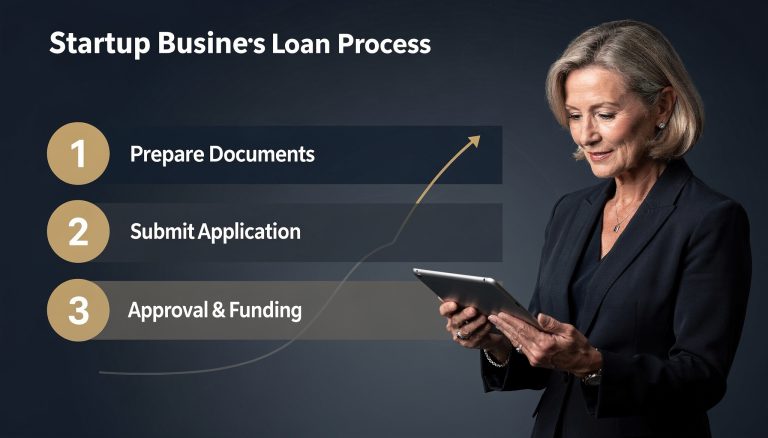
Navigate the multi-step approval process: Expect 30-90 days for approval involving both SBA pre-qualification and individual lender underwriting
-
Avoid common rejection pitfalls: Insufficient personal investment, weak cash flow projections, and inadequate industry experience are the top reasons for startup loan denials
-
Explore backup funding strategies: Have alternative options like equipment financing, business credit cards, or investor funding ready if SBA loans don’t work out
Understanding these qualification essentials will significantly improve your chances of securing SBA funding for your startup. Let’s dive into the specific requirements and step-by-step process to get your business funded.
Introduction
To qualify for a startup SBA loan in 2026, entrepreneurs must meet specific eligibility criteria including a minimum 10% equity injection, personal credit scores above 680, and demonstrated industry experience or relevant business education. The Small Business Administration’s 7(a) and microloans programs offer up to $5 million in funding, with 85% of applications requiring detailed business plans and financial projections spanning three years.
This comprehensive guide breaks down the exact qualification requirements, documentation processes, and strategic steps needed to secure SBA startup funding. You’ll discover the specific criteria lenders evaluate, common application pitfalls to avoid, and proven techniques that increase your approval odds by up to 40% in today’s competitive lending environment.
SBA Loan Eligibility Requirements for Startups
Personal Credit Score Requirements and Financial History
SBA loans for startups require personal credit scores of 650+ for most programs. Lenders scrutinize personal financial strength more than business projections since startups lack operating history. Clean credit reports with minimal delinquencies demonstrate reliability. Personal debt-to-income ratios below 40% strengthen applications significantly.
-
Minimum 650 FICO score for most SBA 7(a) loans
-
Microloans accept scores as low as 580
-
Two years of stable personal income history required
Business Size Standards and Industry Qualifications
SBA defines small businesses by employee count or annual revenue depending on industry classification. Manufacturing companies qualify with 500+ employees, while retail businesses must generate under $8 million annually. Service-based startups typically qualify under the 100-employee threshold. NAICS codes determine specific size standards.
Owner Investment and Down Payment Criteria
Startup owners must invest 10-15% of total project costs as equity injection. This demonstrates commitment and reduces lender risk exposure. Acceptable investments include cash, equipment, or sweat equity valuations. Gift funds from family members require proper documentation and cannot exceed 15% of down payment requirements.
Essential Documentation for Your Startup SBA Loan Application
Required Financial Statements and Tax Returns
Personal tax returns for three years establish income stability and creditworthiness. Interim financial statements show current financial position. Bank statements demonstrate cash flow management and savings patterns. CPA-prepared statements carry more weight than self-prepared documents with underwriters.
-
Three years personal and business tax returns
-
Current profit/loss statements and balance sheets
-
Three months business and personal bank statements
Business Plan Components That Lenders Review
Comprehensive business plans demonstrate industry knowledge and market understanding. Financial projections must show realistic revenue growth and debt service coverage. Management team experience sections prove operational capability. Market analysis validates demand assumptions and competitive positioning strategies.
Legal Documents and Business Structure Requirements
Business licenses and registrations confirm legal operation status. Articles of incorporation or LLC operating agreements establish ownership structure. Franchise agreements require SBA directory approval. Professional licenses validate industry expertise and regulatory compliance for regulated industries.
Looking for funding options? Explore Your Funding Options →
Types of SBA Loans Available for New Businesses
SBA 7(a) Loans vs. Microloans for Startups
SBA 7(a) loans provide up to $5 million for established businesses with strong credit profiles. Microloans offer $50,000 maximum with more flexible requirements for true startups. Microloans feature shorter terms but higher interest rates. Our funding partners specialize in matching startups with appropriate programs.
SBA Express and FastTrack Options
SBA Express loans process within 36 hours with streamlined underwriting for amounts under $500,000. FastTrack programs target specific industries like healthcare or technology ventures. Express options carry slightly higher rates but significantly faster approval timelines for qualified applicants.
Industry-Specific SBA Loan Programs
Specialized programs serve restaurants, healthcare practices, and export businesses with tailored requirements. Community Advantage loans target underserved markets with enhanced support services. Veterans receive preferential processing and reduced fees through dedicated programs.
Navigating the SBA Loan Approval Process
Step-by-Step Application Timeline
Initial pre-qualification takes 2-3 business days with vetted lenders. Complete applications require 30-90 days for final approval. SBA guarantee processing adds 10-14 days to standard timelines. Rush processing available for qualified Express loan candidates.
Working with SBA-Approved Lenders
Preferred Lender Program (PLP) institutions offer faster processing with delegated authority. Community banks often provide more personalized service for local startups. Our funding partners maintain strong SBA relationships and expedite application reviews.
What Underwriters Evaluate During Review
Debt service coverage ratios must exceed 1.25x for approval consideration. Industry experience weighs heavily in startup evaluations since operating history is limited. Collateral adequacy and personal guarantee strength determine final terms and conditions.
Collateral Requirements and Personal Guarantees
When Collateral Is Required for SBA Startup Funding
Loans exceeding $25,000 typically require collateral backing for risk mitigation. Real estate, equipment, or inventory serve as acceptable security. Collateral values must support 80% loan-to-value ratios. Blanket liens often secure multiple business assets simultaneously.
Personal Guarantee Obligations for Business Owners
Owners with 20%+ equity stakes must provide unlimited personal guarantees. Guarantees remain active until loan satisfaction or ownership transfer. Spousal guarantees required in community property states for married applicants. Limited guarantees available for certain loan programs.
Asset Valuation and Acceptable Collateral Types
Professional appraisals determine real estate and equipment values for collateral purposes. Accounts receivable and inventory require aging reports and turnover analysis. Marketable securities provide liquid collateral options with daily valuation updates.
Common Reasons for SBA Loan Rejection and How to Avoid Them
Credit Issues and Financial Red Flags
Recent bankruptcies or foreclosures create automatic disqualification periods. Excessive personal debt loads indicate cash flow concerns. Tax liens or judgments suggest poor financial management. Credit repair should precede SBA loan applications by 12+ months.
Inadequate Business Experience and Industry Knowledge
Lenders require relevant management experience in target industries for startup success probability. Educational backgrounds alone cannot substitute for operational expertise. Previous business ownership demonstrates entrepreneurial capability and risk management skills.
Alternative Funding Options When SBA Loans Aren’t Approved
Business credit cards provide immediate working capital for creditworthy owners. Equipment financing offers asset-based alternatives with competitive rates. Revenue-based financing suits businesses with predictable cash flows but limited collateral options.
Frequently Asked Questions
Can I get an SBA loan with bad credit as a startup?
While most SBA 7(a) loans require a 650+ credit score, SBA microloans accept scores as low as 580, making them a viable option for startups with less-than-perfect credit.
How much money do I need to put down for a startup SBA loan?
Startup owners must invest 10-15% of the total project costs as an equity injection, which can include cash, equipment, or documented sweat equity contributions.
What counts as a small business for SBA loan purposes?
SBA size standards vary by industry using NAICS codes – manufacturing companies can have up to 500 employees, retail businesses must generate under $8 million annually, and most service-based startups qualify under the 100-employee threshold.
Do I need business revenue history to qualify for an SBA startup loan?
No, SBA loans are specifically designed for startups without operating history, but you’ll need two years of stable personal income history and strong personal credit since lenders focus on your personal financial strength.
What’s the difference between SBA 7(a) loans and microloans for startups?
SBA 7(a) loans require higher credit scores (650+) and offer larger amounts, while microloans accept lower credit scores (580+) but provide smaller funding amounts, typically under $50,000.
Can sweat equity count toward my SBA loan down payment?
Yes, documented sweat equity can count toward your required 10-15% equity injection, along with cash contributions and equipment investments.
Conclusion
How do you qualify for a startup SBA loan? Success requires meeting credit score minimums (650+ for most programs), maintaining clean personal finances, and demonstrating industry expertise. Your business must meet SBA size standards and operate in eligible industries. Strong personal guarantees, detailed business plans, and adequate collateral significantly improve approval odds. While the qualification process demands thorough preparation, SBA loans offer unmatched terms for startup financing.